What it costs to opt out of a smart meter, utility by utility
Opting out of a smart meter usually means a one-time fee plus a monthly meter-reading charge. At the nine utilities we checked in November 2026, the monthly charge ran from $5.50 to $34, and a regular residential account would pay between $114 and $450 in the first year. Only the three California utilities list a low-income rate on the pages we read, and only they say the monthly charge stops after three years.
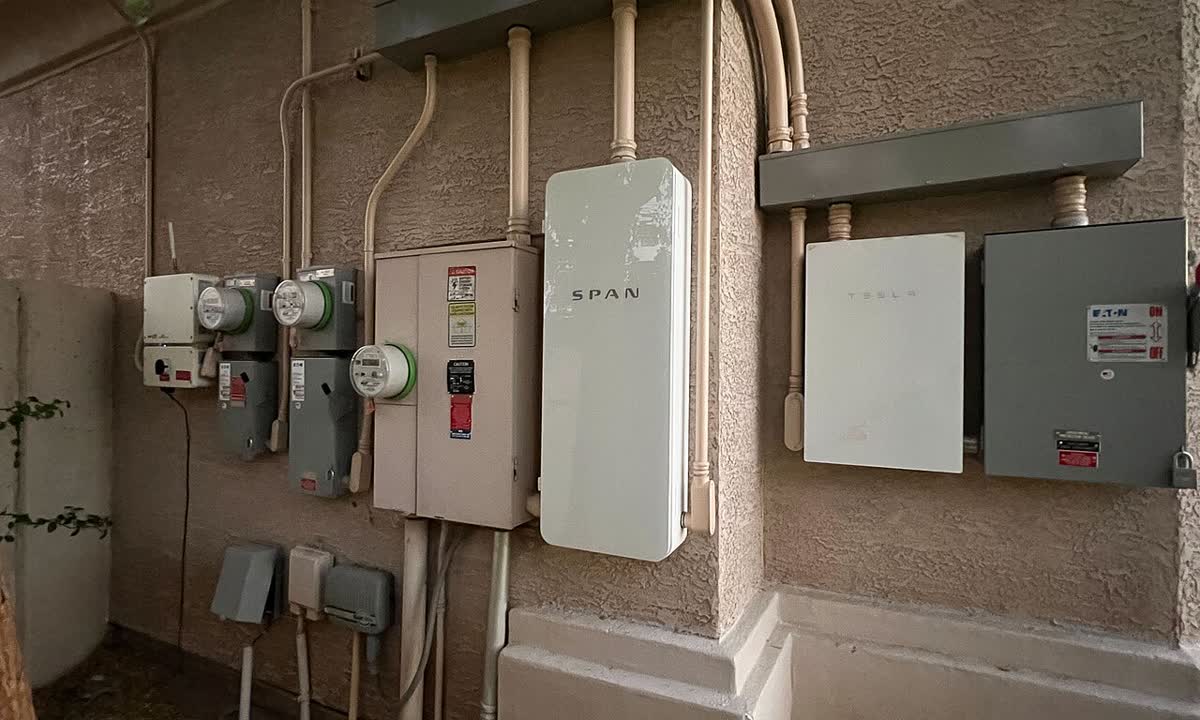
Each figure below comes from the utility's own tariff or opt-out page, or from the state commission order that set it. Where we added numbers together, we say so.
The fee table
| Utility and state | One-time fee | Monthly charge | Low-income rate | Where the number comes from |
|---|---|---|---|---|
| PG&E, California | $75 | $10 for 36 months | CARE or FERA: $10, then $5 a month | Schedule E-SOP tariff |
| San Diego Gas & Electric, California | $75 | $10 for three years | CARE: $10, then $5 a month | SDG&E opt-out FAQ |
| Southern California Edison, California | $60 | $26 for three years | CARE: $10, then $5 a month | SCE smart meter FAQ |
| DTE Electric, Michigan | $40.69 | $9.82 | Not mentioned | DTE smart meter page |
| Con Edison, New York | None before installation; $104.74 per electric meter after | $9.50 | Not mentioned | Con Edison smart meter FAQ |
| Duke Energy Kentucky | $100, waived during the rollout if you opt out before installation | $25 | Not mentioned | Rider AMO in the tariff on file with the Kentucky PSC |
| Eversource (NSTAR Electric), Massachusetts | $42 | $34 | Not mentioned | Eversource opt-out page |
| Xcel Energy, Colorado | Technician visit if a smart meter is already in; amount not stated | $11.84 Denver metro, $23.64 elsewhere | Not mentioned | Colorado PUC explainer |
| BGE, Maryland | $75, in three installments | $5.50 | Not mentioned | Maryland PSC Order 87264 and BGE Rider 27 |
"Not mentioned" means the tariff or page we read says nothing about a low-income rate. Your utility may still have one, so ask. The BGE figures are in the company's Rider 27, filed November 18, 2025 and effective with January 2026 bills. The $5.50 dates back to the Maryland order.
First-year cost, side by side
The monthly charge is what adds up, so the one-time fee can mislead. Here is each utility's one-time fee plus twelve monthly charges.
Our calculation from the fees in the table above. The Xcel rows leave out the technician charge, which the Colorado PUC page does not price. Con Edison's after-installation row assumes one electric meter. Taxes and gas meters are not included.
| Utility | First-year cost |
|---|---|
| Eversource, Massachusetts | $450 |
| Duke Energy Kentucky | $400 |
| SCE, California | $372 |
| Xcel Colorado, outside Denver metro | $283.68 |
| Con Edison, meter already installed | $218.74 |
| PG&E, California | $195 |
| SDG&E, California | $195 |
| DTE, Michigan | $158.53 |
| Xcel Colorado, Denver metro | $142.08 |
| BGE, Maryland | $141 |
| Con Edison, before installation | $114 |
| California CARE households | $70 |
Source: Tariffs and opt-out pages linked in the fee table, arithmetic by Meter on the Wall.
Over three years the order changes, because California's monthly charge stops at 36 months and the others don't say it stops at all. PG&E or SDG&E comes to $435 over three years, and a CARE household pays $190. SCE comes to $996. Eversource, with no end date in its tariff, reaches $1,266 by the end of year three and keeps going.
Why there's a monthly charge at all
The fee pays for a person to read your meter. SCE says the California commission decided "those customers who choose the non-standard service should pay the costs for non-standard service," and that the cost "covers manual meter reading and associated operational and billing activities." SDG&E says its monthly fee covers a manual read and bill every other month. Con Edison also tries to read opt-out meters every two months.
Why does the price vary so much from one utility to the next? The Maryland order shows one reason. When the Public Service Commission cut BGE's monthly fee from $11.00 to $5.50 in November 2015, the reason was arithmetic. The $11 had assumed 1% of customers would opt out. By the November 5, 2015 hearing the rate was about 4.1%, and in BGE's own estimates a higher opt-out rate meant a lower fee per customer. Revenue was still behind cost at that point, $6,046,616 collected through July 2015 against $7,157,081 in reported costs, but commission staff projected that, with no change, revenue could overtake cost during the third quarter of 2015. One commissioner dissented from the cut.
So the price you pay can depend on how many of your neighbors also said no. None of the fee pages we read publish that number.
California: a cap and a low-income rate
California's three big utilities answer to the same commission, so their rules look alike, with one large exception. The interim fees in Decision 12-02-014, adopted February 1, 2012, were $75 and $10 a month, or $10 and $5 on the CARE rate. PG&E's current tariff sheet cites a later decision, 14-12-078. It keeps those amounts and ends the monthly charge after 36 months. PG&E gives you 90 days to pay the initial amount, and SDG&E lets you spread it over three months.
SCE is the exception. Its FAQ lists $60 up front and $26 a month, more than double PG&E's monthly charge, though the CARE amounts match. SCE's rate-options insert from August 2025 says the monthly fee "applies for three years from the time the customer elects to opt-out." We could not find SCE's tariff sheet itself, so the SCE row rests on the FAQ.
Before you call SDG&E, note two of its rules. You can opt out only once per service address per calendar year, and if you change your mind, the fees aren't refunded.
Outside California: no end date
None of the documents we read for the six utilities outside California say the monthly charge ends. Here is what they do say:
- During its meter rollout, Duke Energy Kentucky's Rider AMO waives the $100 setup fee if you opt out before the advanced meter is installed. After that, or once the rollout is over, you pay it. The company may give you either an advanced meter with the radio disabled or another non-communicating meter.
- Con Edison charges nothing up front if you decline before installation. Its opt-out form says the removal fee is waived only if Con Edison failed to give you advance notice of the installation.
- Eversource's opt-out is open only to customers on rates R-1 through R-4 who got a mailed notice of an upcoming smart meter. The monthly fee applies on estimated bills too.
- DTE got Michigan commission approval for its opt-out on May 15, 2013. In December 2018 it agreed with the commission to swap opted-out meters for digital meters without radio parts at no cost, with the exchanges set for 2019.
- BGE charges per premise, not per meter. It drops the charges if you agree to a smart meter before the end of the fifth billing cycle.
Maine isn't in the table. The state's Office of the Public Advocate says that Central Maine Power and Versant charge opt-out fees approved by the Maine PUC, and that CMP reads non-standard meters every other month. CMP's own fee page would not load for us, so we left Maine's dollar figures out.
Questions to ask before you opt out
- Has the smart meter been installed yet? At Con Edison and Duke Energy Kentucky, the answer changes the one-time fee.
- Is the fee per meter or per address? SDG&E and BGE charge per address or premise. Con Edison's removal fee is per meter, $104.74 for electric and $93.81 for gas.
- Do you qualify for a low-income rate? In California the CARE rate cuts the first year from $195 to $70 at PG&E and SDG&E.
- Does the monthly charge ever end?
- What meter will you get? Options in these documents include analog meters, digital meters with no radio, and smart meters with the radio switched off.
- What happens to your rate plan? Declining the meter in Colorado doesn't take you off time-of-use pricing unless you opt out of that too. BGE moves opt-out customers to a non-time-of-use schedule, and PG&E puts time-of-use customers on a non-communicating digital meter.
Fees change, so check the date
Every number here has a date attached, and some have moved. BGE's monthly fee fell by half starting with January 2016 bills. The second sheet of PG&E's opt-out tariff was revised on October 31, 2025. SCE says plainly that its fees and options are "subject to change by the CPUC." Changes go through the state commission, as the Maryland order shows, so a fee in a FAQ can lag behind the tariff on file.
Opting out isn't the only thing people do after reading about meters. Some buy a consumer RF meter. Some buy products from shops that list them under names like EMF blocker stickers. EMFCALM, for one, sells a 6-pack of EMF stickers along with 3- and 12-packs for phones and other devices. No tariff covers those products, and this page doesn't evaluate them.
If you're on the fence and the installer hasn't come yet, call before the appointment. Under Con Edison's and Duke Energy Kentucky's rules, that call is the difference between paying the one-time fee and not paying it.